General Surgeries
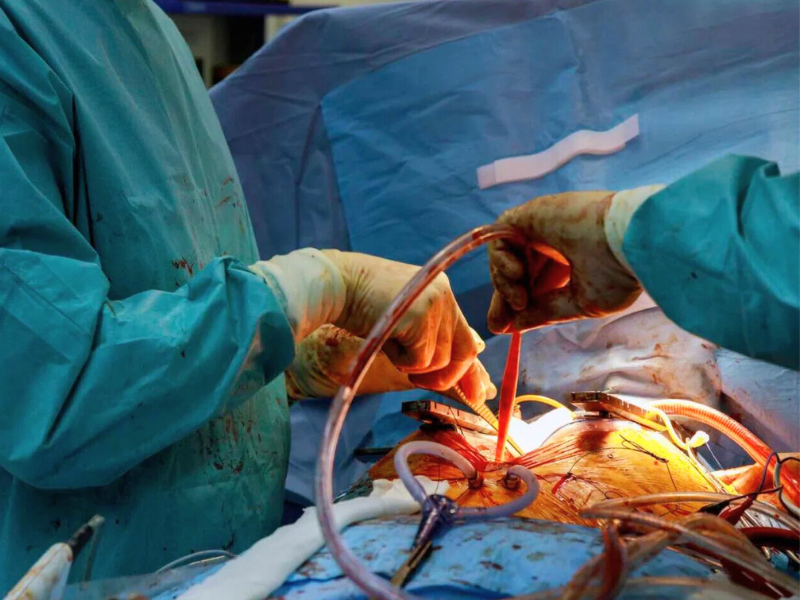
General Surgery services focus on the diagnosis and surgical treatment of a wide range of medical conditions.
Our department provides expert care using modern surgical techniques for safe and effective outcomes.
We specialize in treating abdominal conditions involving the stomach, intestine, liver, gallbladder, and appendix.
Laparoscopic (keyhole) surgeries are offered for faster recovery and minimal scarring.
Common procedures include hernia repair, appendectomy, and gallbladder surgery.
We manage gastrointestinal disorders with precision and advanced surgical planning.
Emergency surgical care is available for trauma and acute abdominal conditions.
We emphasize personalized treatment based on each patient’s condition.
Our goal is to deliver reliable, ethical, and high-quality surgical care.
Advanced Laparoscopic (Hernia, Gall Bladder & Appendix)
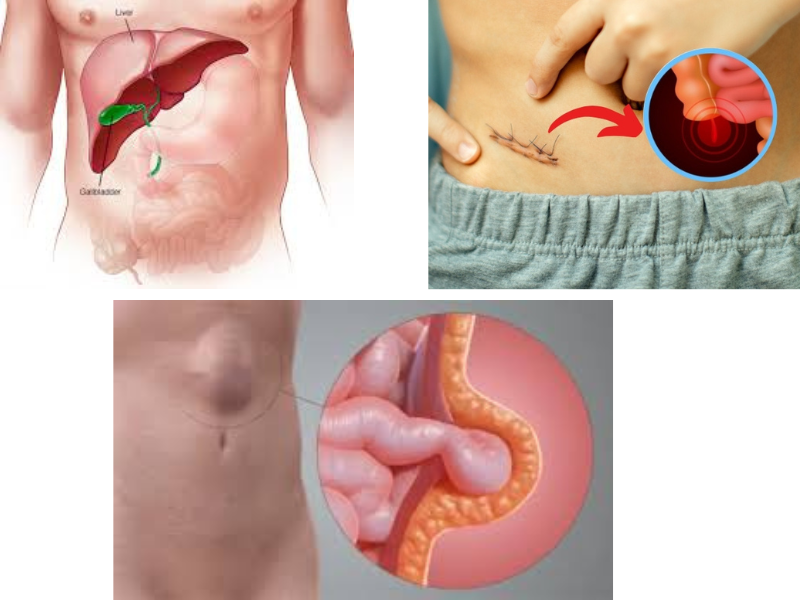
Advanced Laparoscopic Surgery offers minimally invasive treatment with high precision and safety.
We specialize in laparoscopic hernia repair, gall bladder surgery, and appendix removal.
These procedures are performed through small keyhole incisions using advanced instruments.
Laparoscopic surgery results in less pain compared to open surgery.
Patients experience minimal blood loss during the procedure.
Recovery time is faster, allowing early return to daily activities.
Hospital stay is usually shorter, improving patient comfort.
There is reduced risk of post-operative infections.
Scarring is minimal, providing better cosmetic outcomes.
Our surgeons use high-definition cameras for accurate visualization.
Each procedure is planned according to the patient’s medical condition.
This advanced approach ensures effective results with maximum patient safety.
Endoscopies (Diagnostic & Therapeutic)
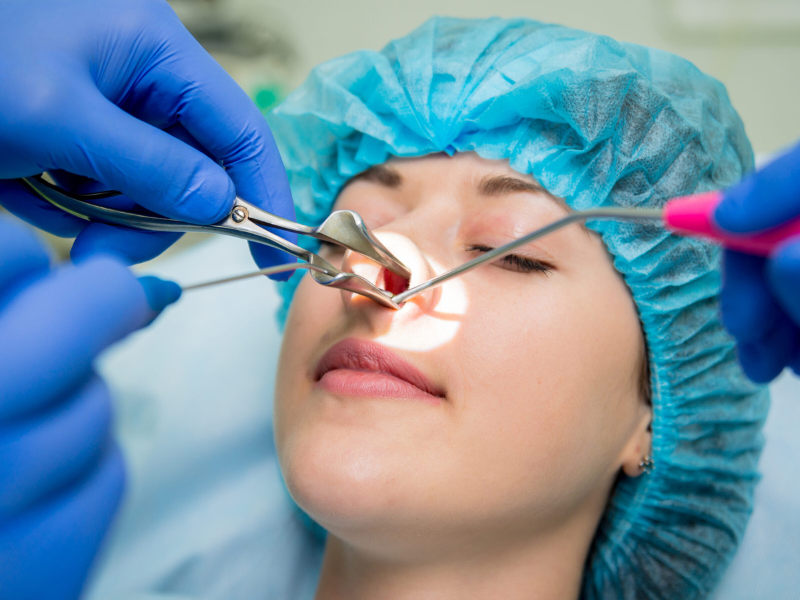
Endoscopy is a minimally invasive procedure used to diagnose and treat digestive system disorders.
It allows doctors to view internal organs using a thin, flexible camera.
Diagnostic endoscopy helps identify conditions such as ulcers, inflammation, and tumors.
Therapeutic endoscopy is used to treat problems without the need for open surgery.
Procedures may include removal of polyps, control of bleeding, or dilation of strictures.
Endoscopy provides accurate results with minimal discomfort to the patient.
The procedure usually requires little or no hospital stay.
It helps in early detection of gastrointestinal diseases.
Advanced endoscopic equipment ensures high precision and safety.
Endoscopy plays a key role in modern gastrointestinal care.
Colonoscopies (Diagnostic & Therapeutic)
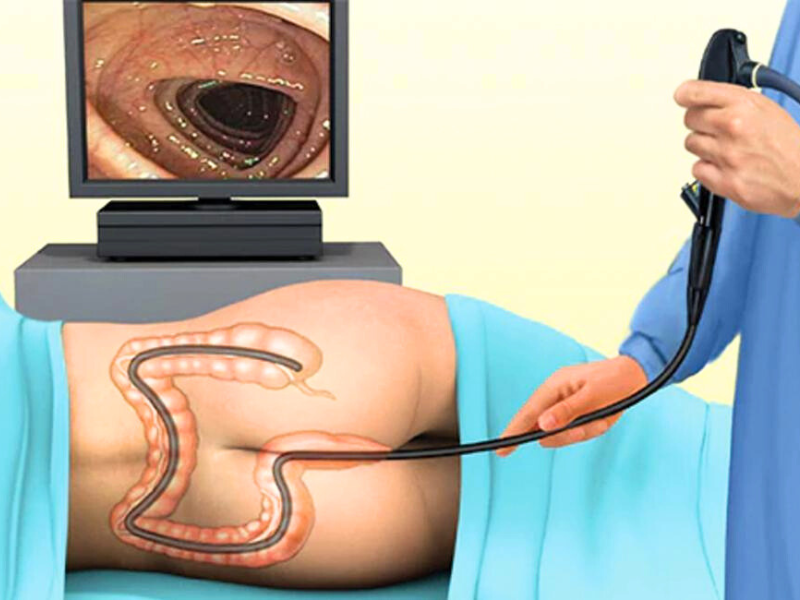
Colonoscopy is an advanced procedure used to examine the large intestine and rectum.
It helps in the early detection of colorectal diseases and abnormalities.
Diagnostic colonoscopy identifies conditions such as polyps, inflammation, and tumors.
Therapeutic colonoscopy allows treatment during the same procedure.
Procedures may include removal of polyps and control of intestinal bleeding.
Colonoscopy plays a vital role in colorectal cancer screening.
The procedure is minimally invasive and highly accurate.
It is performed using a flexible camera for clear internal visualization.
Most patients experience minimal discomfort during the procedure.
Hospital stay is usually short or not required.
Strict sterilization and safety protocols are followed.
Pre-procedure assessment ensures patient safety and effective results.
Post-procedure observation supports smooth recovery.
Colonoscopy helps in timely diagnosis and effective treatment planning.